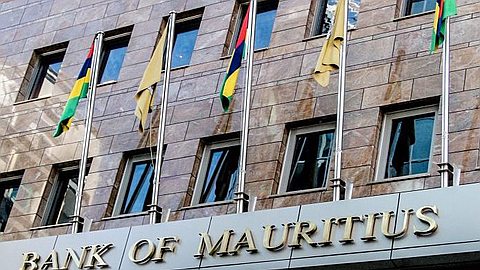
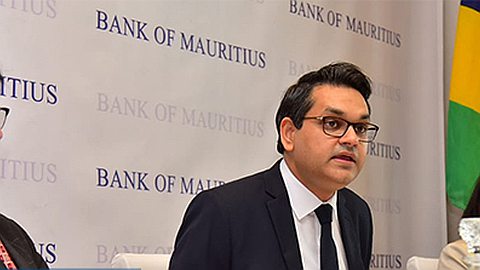
BOM: The key interest rate is set at 4.75%, with inflation projected at 5.5% in 2026.
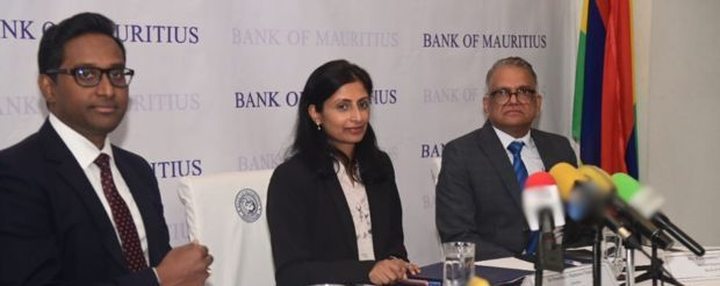
MPC decided on Wednesday, May 20, to increase the key interest rate by 25 basis points
This decision was unanimous among the seven members present of the Monetary Policy Committee (MPC), in an international context deemed particularly uncertain due to geopolitical tensions and the conflict in the Middle East.
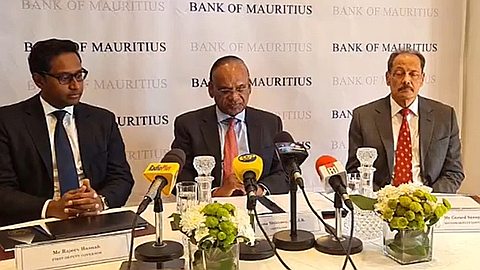
During her press conference, the Governor of the Bank of Mauritius, Dr. Priscilla Muthoora Thakoor, explained that this increase is primarily aimed at containing inflationary pressures and preserving the country's macroeconomic stability. She emphasized that Mauritius, as a small, open economy, remains highly vulnerable to external shocks, particularly through rising oil prices, maritime freight costs, and food imports.
Inflation remains a main concern for the MPC. While overall inflation remained stable at 4.2% between March and April 2026, year-on-year inflation climbed from 2.7% to 3.6% in April, primarily driven by higher energy prices and some knock-on effects on domestic prices. The Bank of Mauritius now forecasts average inflation of around 5.5% for 2026 in its baseline scenario, well above the previous projection of 3.6% and above the target range of 2% to 5%.
The MPC also believes that inflationary risks could be even greater if the conflict in the Middle East were to continue or if the Strait of Hormuz were to remain disrupted longer than anticipated. In that case, oil and commodity prices could continue to rise, putting further pressure on Mauritian households and the rupee.
On the economic front, growth prospects have been revised downwards. The Bank of Mauritius now forecasts real GDP growth of 2.8% in 2026, compared to an estimate of between 3.3% and 3.5% at the previous MPC meeting in February. This revision reflects, in particular, rising fuel and electricity costs, declining purchasing power, and an expected slowdown in the tourism sector.
Tourist arrivals by air fell by 8% in April compared to the same period last year, even though tourism receipts rose by 28% in the first quarter to reach Rs 30.2 billion. The Bank also notes that several sectors, including hospitality, catering, agriculture, construction, and manufacturing, could be affected by supply chain disruptions and higher costs.
Despite this challenging environment, the governor assured that the banking system remains sound, liquid, and well-capitalized. Stress tests conducted by the central bank show that banks remain resilient despite the increase in the key interest rate.
The governor also emphasized that this interest rate hike does not necessarily signal the start of a prolonged period of monetary tightening. She explained that the international situation remains extremely volatile and that future decisions will depend on inflation trends, the conflict in the Middle East, and upcoming economic data.
When questioned about recent allegations concerning the supposed "printing of money" to the tune of Rs 83 billion, Dr. Priscilla Muthoora Thakoor firmly rejected these accusations, calling them "fake news ." She stated that the Bank of Mauritius neither printed nor transferred any funds to the government in 2025 and asserted that such claims risked damaging the credibility and independence of the central bank, as well as Mauritius's reputation as an international financial center.